Browse local listings from Colorado sellers. Ranch horses, mountain trail horses, barrel racers, and quarter horses, with real photos, real videos, and real prices.
Browse Colorado Horses for Sale →Colorado has one of the deepest horse cultures in the West. From the working cattle ranches of the eastern plains to the high-country pack outfits of the Rockies to the front-range arenas serving Denver and Colorado Springs, horses are woven into how the state moves and works.
The geography drives the disciplines. The eastern plains run flat and dry, the right country for ranch work, rodeo, and barrel racing. The front range hugs the mountains and concentrates the dressage, hunter/jumper, and show circuits. The western slope and the high country support pack strings, mountain trail riders, and outfitters who depend on horses to reach where vehicles cannot.
Whether you want a steady ranch-broke gelding, a competitive rodeo prospect, a mountain-tough trail partner, or a registered show horse, Colorado's market has the depth and the breeders to back it up.
See the horse in person. Buying locally means you can visit before you commit. Watch the horse be caught, groomed, tacked, and ridden. Ride it yourself. See how it loads, how it handles distractions, and how it acts when nobody is showing it off. None of that happens over video.
Know the seller. Colorado's equestrian community is connected, especially within disciplines. Ranches know other ranches, trail outfitters know trail outfitters, and reputations travel. Buying from a Colorado seller means you can check references and visit the facility before you commit.
Shipping is simpler. Buying in state means no interstate health certificates, no multi-day hauls, and no quarantine windows. Pick the horse up yourself or hire a local hauler for a fraction of what cross-country transport costs.
Colorado horses are adapted to Colorado. A horse raised in Colorado has already worked at altitude, handled the dry climate, and dealt with varied terrain. You are not acclimating a sea-level animal to 5,000 feet, 7,000 feet, or higher. That conditioning shows up immediately in stamina, breathing, and footwork.
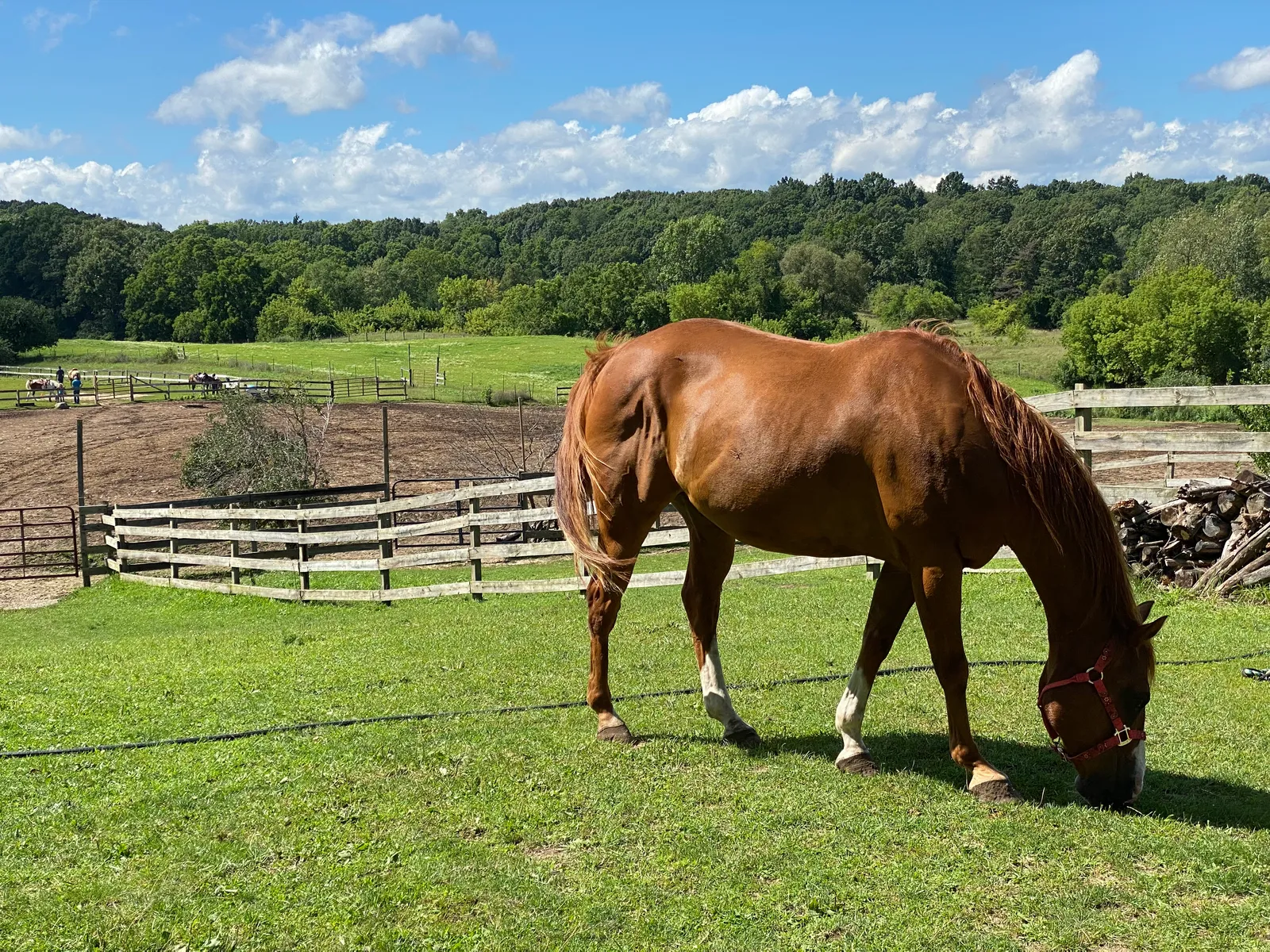 Colorado horses, conditioned for the elevation and terrain you will actually ride.
Quarter horses dominate the Colorado market. Ranch-broke geldings, cutting and reining prospects, barrel and rodeo horses, and family trail horses are all overwhelmingly quarter horses or quarter-cross. If you do not know where to start, start here.
Paints and Appaloosas share much of the quarter horse foundation and are common throughout the state, particularly in ranch and trail circles. Strong temperaments, good color, and a deep working-stock community in Colorado.
Mustangs. Colorado is one of the most active states for BLM mustang adoptions and gentling, with several established trainers building reputations on Colorado-titled mustangs. Tough, surefooted, and well suited to mountain work for riders willing to put in the partnership time.
Arabians have a loyal following in Colorado's endurance and competitive trail community. The state's mountain trail systems are a natural fit for the breed's stamina and surefootedness, and several established Arabian breeders operate along the front range and western slope.
Gaited breeds like Tennessee Walkers, Missouri Fox Trotters, and Rocky Mountain Horses are popular with trail riders who put in long mountain miles. Smooth gaits and steady minds matter more on a six-hour Rockies ride than on a flat-trail walk.
Warmbloods are concentrated in the front-range dressage and hunter/jumper scene. Quality warmbloods and warmblood crosses are available from front-range breeders and resale barns near Denver, Colorado Springs, and the Boulder corridor.
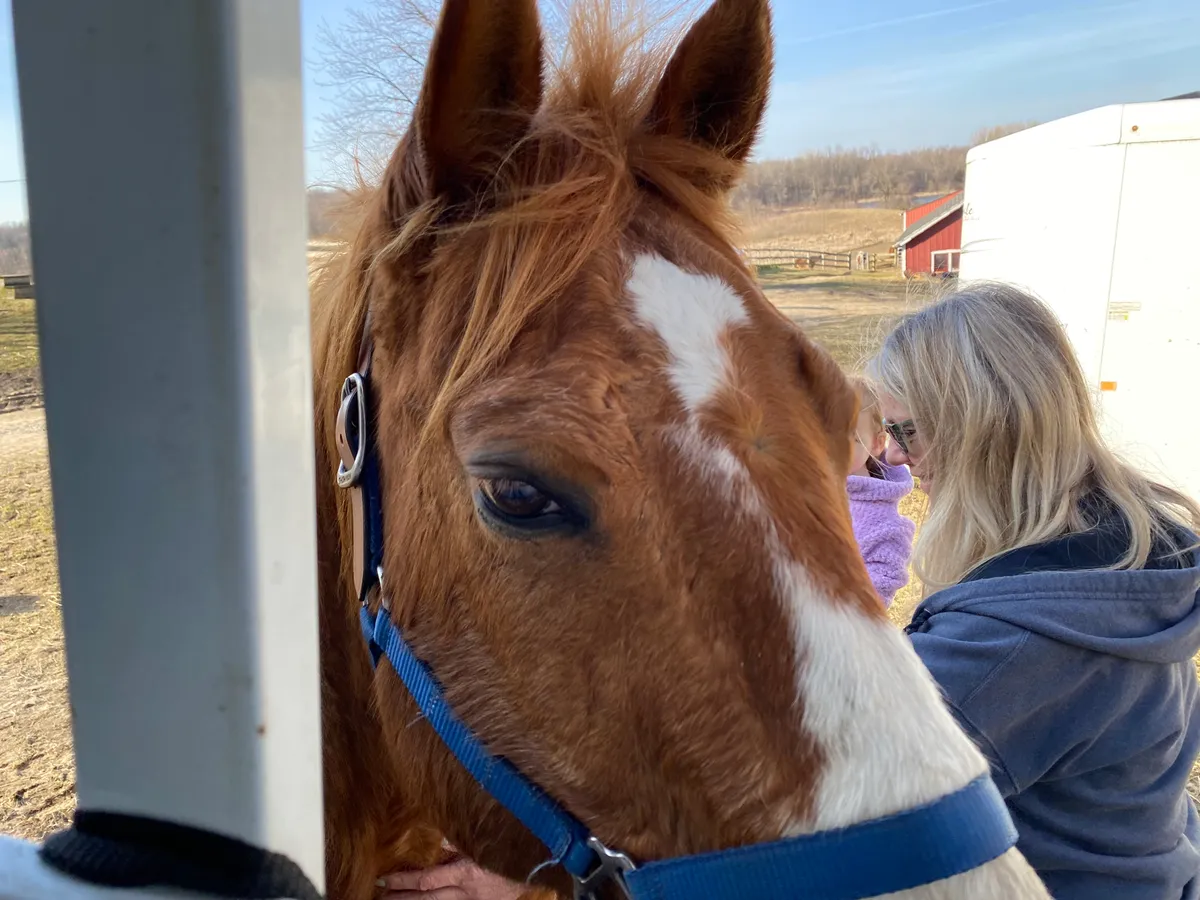 Colorado produces quality horses across every working and show discipline.
Start browsing Colorado listings with photos, videos, and real prices.
Find a Horse Near You. Start Browsing Colorado Listings →Colorado's trail and backcountry riding is one of the main reasons people keep horses here. Public-land access is wide and the terrain ranges from grassland to alpine.
San Juan National Forest. Nearly two million acres in the southwest corner of the state, with hundreds of miles of equestrian trail through the San Juan range. Aspen groves, high-country meadows, and dramatic vistas. Day-rides and multi-day pack trips are both well supported.
White River National Forest. The most-visited national forest in the country and a Colorado equestrian staple. Trails range from gentle valley rides to high-altitude passes. Trailheads near Glenwood Springs, Aspen, and Vail.
Pike and San Isabel National Forests. Convenient to the front-range population centers. Day-trip riding from Colorado Springs, Pueblo, and the southern Denver metro. A mix of foothills and high country.
Rocky Mountain National Park. Horses are allowed on most backcountry trails. Permits and seasonal restrictions apply. Bring a horse that has already been at altitude and on rocky footing before you trailer in.
Comanche National Grassland. Southeastern Colorado, where the plains meet the canyons. Quiet, open country for riders who prefer wide horizons and gentler terrain over alpine climbs.
The Continental Divide Trail. Sections through Colorado are open to horses and draw long-distance riders from across the country. Not a beginner ride. Conditioning, gear, and route planning all matter.
Colorado pricing reflects the working-ranch and rodeo demand. Ranch-broke horses tend to run a notch above Midwest prices. Show and warmblood prices match other competitive front-range markets. Here is what you will typically see:
Ranch and trail horses: $4,000 to $18,000. A well-broke, mountain-tested trail horse in the $7,000 to $12,000 range is the sweet spot for most buyers.
Barrel and rodeo horses: $8,000 to $40,000. Proven runners with race records command the upper end. Prospects and younger horses start lower.
Dressage and jumpers: $12,000 to $60,000+. Imported warmbloods and upper-level show horses push past $60,000. Solid schoolmaster types for adult amateurs typically land in the $18,000 to $35,000 range.
Mountain trail horses: $5,000 to $20,000. Surefooted, altitude-conditioned, and used to varied footing. The premium for actual mountain miles is real.
Ponies and youth horses: $2,500 to $12,000. Safe, kid-broke ponies are always in demand. A bombproof youth horse with show miles will run at the top of that range or above.
Location filtering. Search by state, region, or distance from your zip code. Find horses near you without scrolling through listings from across the country.
Swipe interface. Browse listings the way you browse everything else. Swipe right to save, left to pass. Fast, and it works on your phone.
Photos and video first. Every listing leads with media. See the horse move, see it under saddle, see it on the ground, before you ever message the seller.
Real-time messaging. Message sellers directly through the platform. No phone tag, no email chains, no Craigslist replies that never come.
Built for the West. Mane Match was built to take the regional horse market online without watering it down. Colorado buyers and sellers were part of the early audience that shaped the product.
Ranch and trail horses typically cost $4,000 to $18,000, barrel and rodeo horses $8,000 to $40,000, dressage and jumpers $12,000 to $60,000+, mountain trail horses $5,000 to $20,000, and ponies or youth horses $2,500 to $12,000. Colorado's ranch-broke and competition horses tend to command a small premium over Midwest prices.
Quarter horses are the most popular breed in Colorado by a wide margin, reflecting the state's strong ranch, rodeo, and trail riding traditions. Paints, Appaloosas, and Mustangs also have a significant presence.
Colorado has some of the best riding in the country. The San Juan, White River, and Pike National Forests offer thousands of miles of equestrian trail. Rocky Mountain National Park allows horses on most backcountry trails. The Comanche National Grassland on the southeastern plains and sections of the Continental Divide Trail are popular among Colorado riders.
No, Colorado does not require a license to own a horse. A current negative Coggins test is required for transport to public events, shows, and trail systems. Check your county zoning ordinances for any restrictions on keeping horses on your property, especially in mountain and front-range communities with covenants.
Visit the horse in person, get a pre-purchase exam from your own vet, verify registration papers if applicable, and ask about altitude conditioning if the horse is being sold below the mountains. A Colorado-raised horse has worked at elevation and on varied terrain, which matters for mountain trail and ranch work.
Late fall through early spring (October through March) generally offers the best prices in Colorado. Ranches and sellers look to reduce herd sizes ahead of winter feeding costs. Spring and summer bring higher demand from trail riders and rodeo competitors and prices firm up.
No active listings right now. Check back soon.
List it free and reach local buyers who are actively searching for horses in Colorado.
Selling a Horse in Colorado? List It Free and Reach Local Buyers →