Trail riding isn't about ribbons or scores. It's about trust. You need a horse that will carry you up a steep grade, cross a creek without a fight, stand still when a deer blows out of the brush, and bring you home safe. That's a trail horse — and finding the right one is worth every bit of patience it takes.
The best trail horses aren't always the prettiest or the most expensive. They're the ones with real miles, steady nerves, and the kind of quiet confidence that only comes from experience. When you find a horse like that, you know it the moment you sit in the saddle.
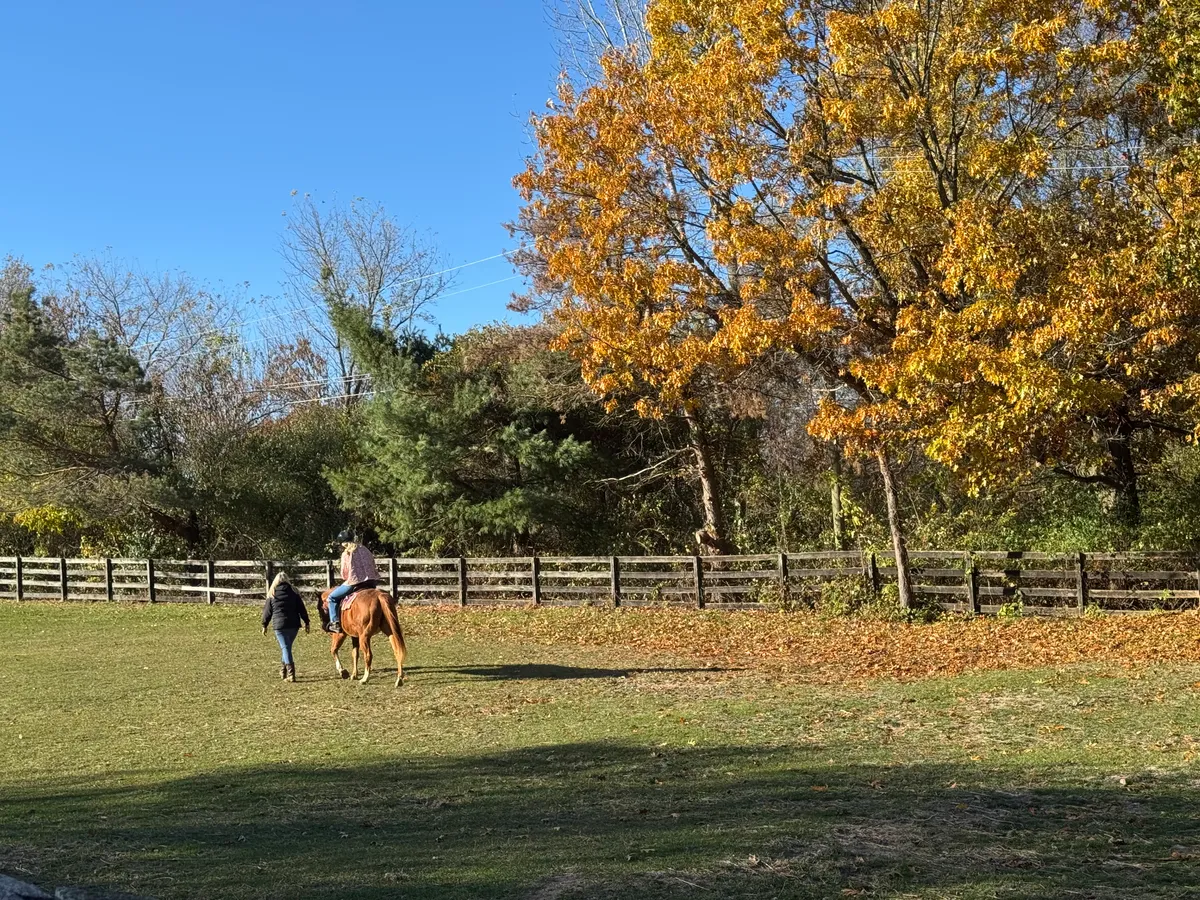 The best trail horse takes you somewhere and brings you home safe.
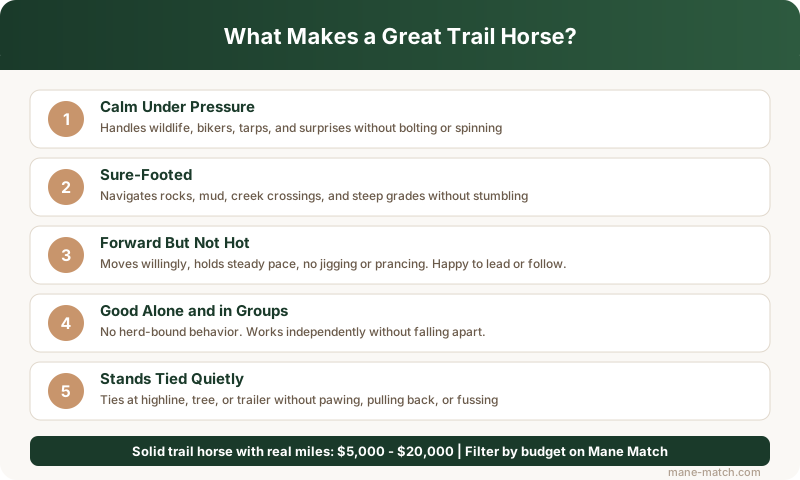
Not every well-trained horse makes a good trail horse. Trail riding demands a specific set of qualities that go beyond arena manners. Here's what separates a great trail horse from one that just looks good in the round pen:
Calm under pressure. This is the big one. A trail horse needs to handle surprises without losing its mind — ATVs, dogs, wildlife, plastic bags, water crossings, bridges, and things you can't predict. The word you'll hear is "bombproof," and while no horse is truly 100% bombproof, the best trail horses come close. They've been exposed to enough that new situations don't rattle them.
Sure-footed. Rocky trails, steep descents, uneven ground, mud, roots — a trail horse needs to pick its way through all of it without stumbling. Watch how a horse moves on rough terrain. Some horses are natural athletes on the trail. Others trip over their own feet. This matters more than you think.
Forward but not hot. You want a horse that moves out willingly without constant leg pressure, but doesn't jig, prance, or try to take off. A good trail horse covers ground at a steady pace without you fighting to hold it back or kicking to keep it going. Willing, not anxious.
Good with other horses — and alone. Some horses are fine in a group but fall apart when ridden solo. Others are great alone but pick fights in company. A solid trail horse handles both. It doesn't get barn sour, buddy sour, or herd-bound. It's confident enough to lead the group or ride at the back without issue.
Stands tied. On the trail, you'll need your horse to stand tied to a highline, trailer, or tree — sometimes for hours. A horse that paws, pulls back, or panics when tied is a liability on a trail ride. Patience at the tie rail is a non-negotiable trail horse quality.
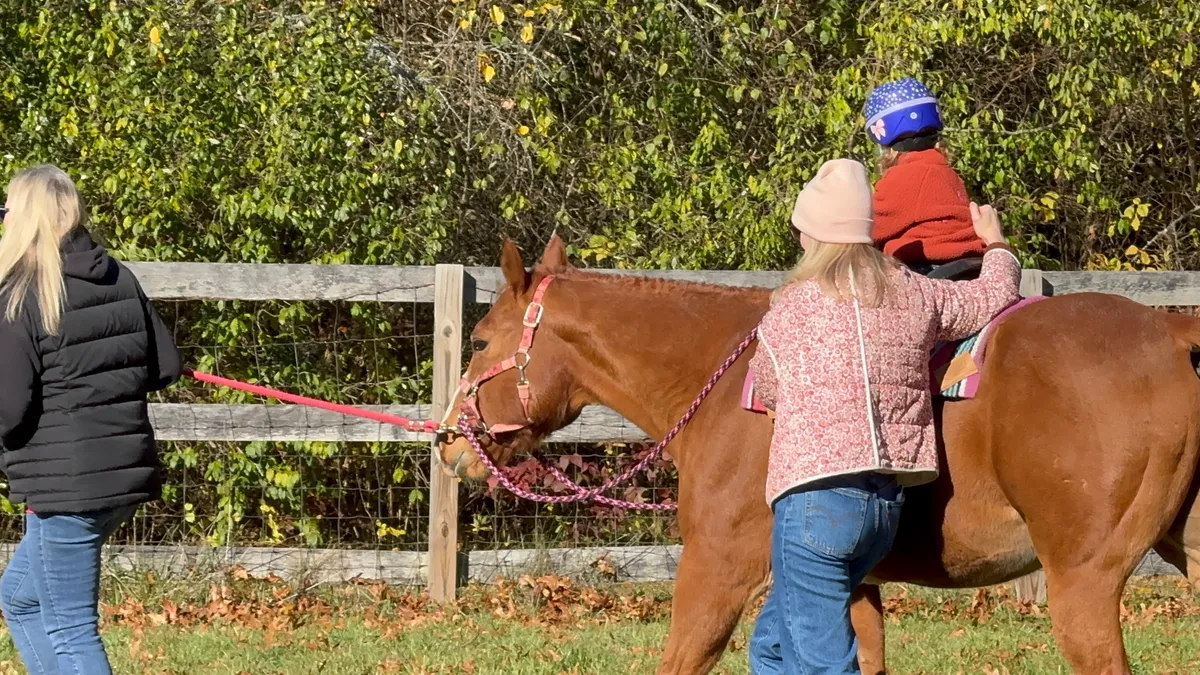
Any breed can be a good trail horse if it has the temperament and the miles. But some breeds show up on the trail more than others — and for good reason.
Quarter horses are the most popular trail breed in America. Calm, steady, athletic, and built for rough terrain. A well-broke quarter horse with trail miles is hard to beat for reliability and versatility. They handle heat well, they're easy to find, and they come in every price range.
Gaited breeds — Tennessee Walking Horses, Missouri Fox Trotters, and Rocky Mountain Horses — are the long-distance trail rider's best friend. Their smooth four-beat gaits cover ground efficiently without the jarring trot that wears out your back and knees. If you ride all day or have joint issues, a gaited horse can be a game-changer.
Mustangs are tough, sure-footed, and built for rough country. Adopted mustangs with good training make exceptional trail partners — they grew up navigating terrain that would humble most domestic horses. They tend to be hardy, easy keepers, and smart.
Mules deserve a serious look. They're more sure-footed than horses, they're careful about where they put their feet, and they have incredible stamina. Experienced trail riders often swear by mules once they've ridden one. They command a premium for good reason.
Paints and appaloosas share a lot of quarter horse genetics and make excellent trail mounts. They tend to have the same calm, sensible temperament with the bonus of eye-catching color.
Draft crosses — Percheron cross, Clydesdale cross, Belgian cross — are worth considering if you're a larger rider or just want a big, steady, unflappable trail horse. They're calm by nature and not much bothers them.
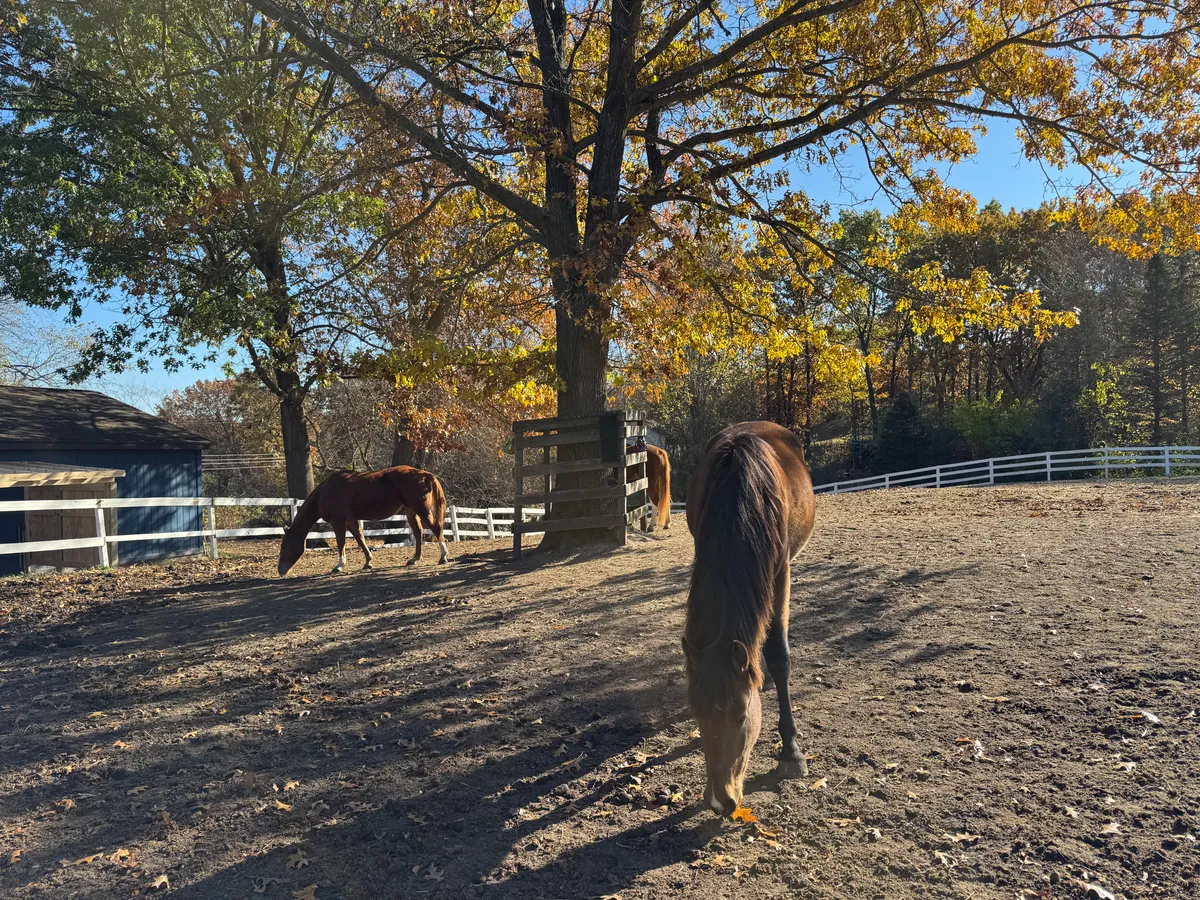 Steady temperament and real trail miles — that's what matters.
Shopping for a trail horse is different from buying a show horse or a lesson horse. The things that matter most can't be measured in a round pen or an arena. Here's what to focus on:
Ask about miles, not just years. A 12-year-old horse that's spent its whole life in an arena is not a trail horse — it's a horse that's never seen a trail. Ask how many trail miles the horse has, what kind of terrain it's covered, and how recently. A horse with 500 trail miles is worth more than one with 5,000 arena hours.
Watch it load. Trail riding means trailering. A horse that won't load calmly, or panics in the trailer, is going to make every ride a battle before you even get to the trailhead. Ask the seller to load and unload the horse while you watch. No tricks, no bribing, no chasing — just a horse that walks on and stands quietly.
Check the feet. Trail horses need good feet. Hard, healthy hooves that hold shoes well (or go barefoot on rocky ground) are essential. Ask the farrier history — does it hold shoes? Does it need special shoeing? Chronic foot problems will limit where and how far you can ride.
Ride somewhere new. If possible, don't just ride the horse in its home arena or on trails it knows by heart. Ask to ride it somewhere unfamiliar — or at least in an area of the property it doesn't usually go. You want to see how it handles new environments, because that's what trail riding actually is.
Assess alone vs. buddy. Ride the horse away from the barn and away from other horses. Does it go willingly or fight you every step? A horse that's fine on the trail but only when it's following another horse is going to cause problems the first time you want to ride solo.
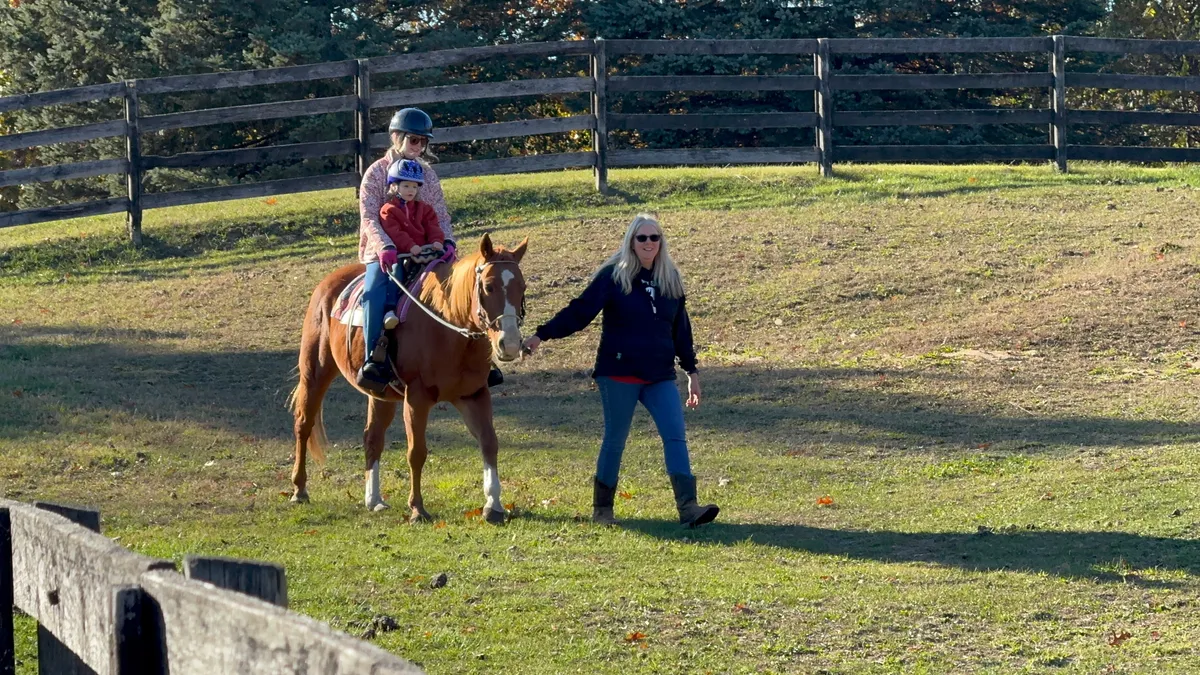
A well-trained trail horse with real experience typically costs between $5,000 and $20,000. Where a horse falls in that range depends on age, breed, training, how many trail miles it has, and how desirable its specific qualities are.
On the lower end, you'll find older horses with solid experience — they may not have as many years left, but they're safe, reliable, and honest. In the middle range, you'll find the sweet spot: horses in their prime with plenty of miles and a proven track record. At the upper end, you're paying for something special — a horse that does everything, goes anywhere, and doesn't bat an eye.
Gaited breeds and well-trained mules may command a premium. A finished Tennessee Walking Horse or Missouri Fox Trotter with serious trail miles can easily push past $15,000. A good saddle mule with experience in rough country often sells for $10,000 to $25,000 or more. The premium is justified — these animals offer something most horses can't.
As always, the purchase price is just the beginning. Budget for board, farrier, vet, feed, and tack on top of what you pay for the horse.
Mane Match was built for horse people, not tech people. The swipe interface lets you browse trail horses for sale quickly — swipe right on ones you like, left on ones you don't. Save your favorites and come back to them later.
Filter by what matters. Search by breed, age, price, training level, discipline, and location. Find trail horses near you or search nationwide.
Message sellers directly. No middlemen, no phone tag. Ask your questions through the platform and get real answers from real sellers.
Photos, videos, and honest descriptions. Every listing includes media so you can see the horse move, see its conformation, and read what the seller has to say — before you drive two hours to go look at it.
Verified sellers. Sellers can earn verified badges, so you know who you're dealing with. No mystery, no scams, just horses and the people selling them.
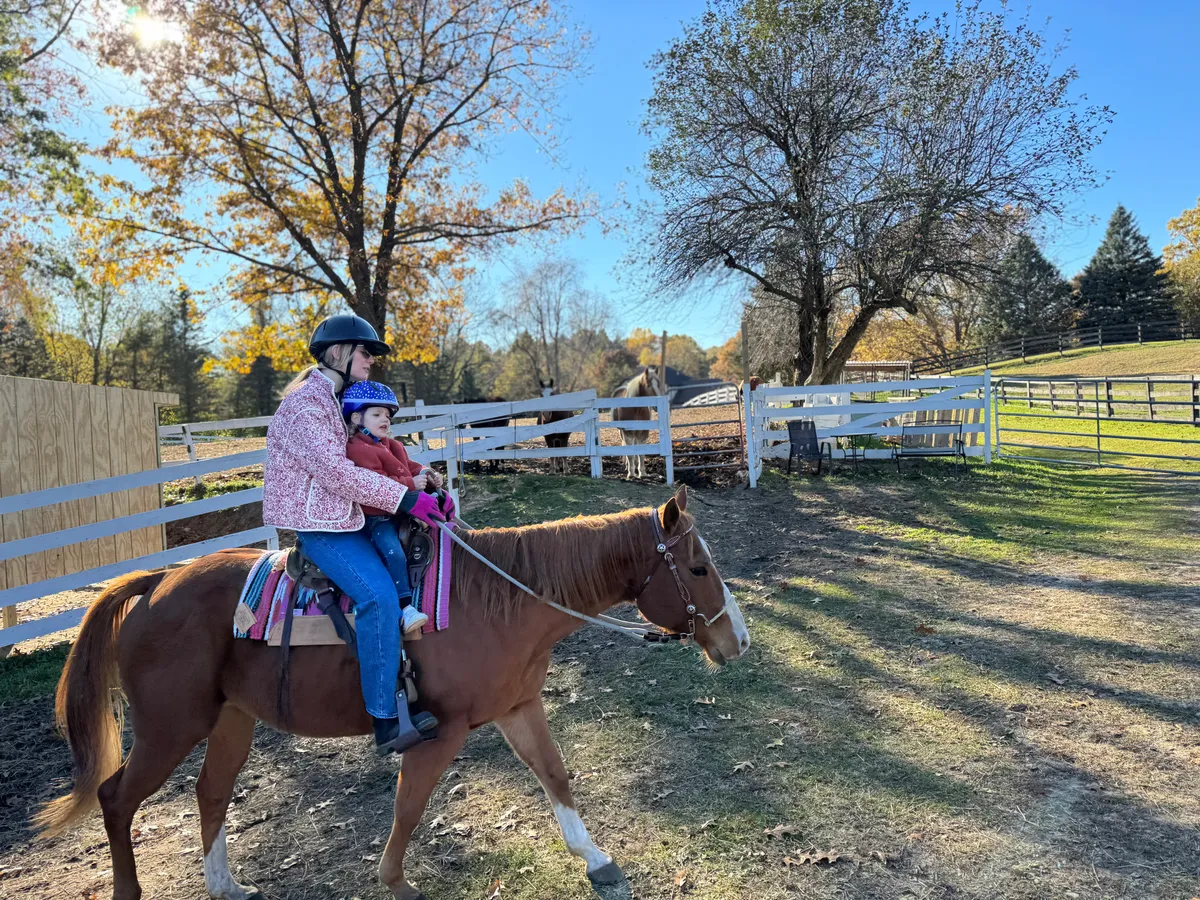
Quarter horses are the most popular trail breed due to their calm temperament and sure-footedness. Gaited breeds like Tennessee Walking Horses, Missouri Fox Trotters, and Rocky Mountain Horses are excellent for their smooth gaits on long rides. Mustangs, mules, and draft crosses are also outstanding trail partners.
A good trail horse typically costs between $5,000 and $20,000 depending on age, training, breed, and how many trail miles it has. Horses with extensive trail experience, solid ground manners, and a calm disposition command higher prices. Gaited breeds and well-trained mules may also carry a premium.
Bombproof is a term used to describe a horse that is extremely calm and doesn't spook easily at unexpected stimuli — things like ATVs, dogs, tarps, wildlife, water crossings, or loud noises. No horse is truly 100% bombproof, but an experienced trail horse that has been exposed to many different environments comes close.
Gaited horses are an excellent choice for trail riding, especially for long-distance rides or riders with back, knee, or joint issues. Their smooth four-beat gaits are much easier on the body than a standard trot. Tennessee Walking Horses, Missouri Fox Trotters, and Rocky Mountain Horses are the most popular gaited trail breeds.
Ask about the horse's trail miles and what kind of terrain it has covered. Ask if it crosses water, handles steep grades, and loads reliably. Find out if it stands tied patiently and whether it rides well alone or only in a group. Ask about any vices — barn sour, buddy sour, hard to catch, or cinchy. Ask why they're selling and whether you can do a trail ride during the test ride.
Many trail horses are ideal for beginners. A well-trained, experienced trail horse with a calm disposition is one of the safest types of horses for a new rider. They've seen it all, they're patient, and they're forgiving of mistakes. The key is finding one with real miles and a proven track record of packing less-experienced riders safely.
No active listings right now. Check back soon.
List it free and reach serious trail riders who are actively looking.
Selling a Trail Horse? List It Free and Reach Serious Trail Riders →