The Arabian is the foundation breed — the one that shaped nearly every light horse breed that came after it. Thoroughbreds, Morgans, quarter horses — trace the bloodlines back far enough and you'll find Arabian influence. That's not trivia. It tells you something about the genetics: stamina that outlasts everything else on the trail, bone density that belies their size, and an intelligence that makes them one of the most engaging horses you'll ever work with.
Arabians have been selectively bred for thousands of years, originally by Bedouin tribes who depended on them for survival in the desert. That history produced a horse built for efficiency — a horse that thrives on less feed, recovers faster, and can cover ground all day. Today, they dominate endurance racing worldwide, compete seriously in halter, dressage, and sport horse divisions, and remain one of the most versatile breeds you can own.
Whether you're looking for an endurance prospect, a halter horse, a trail partner, or a versatile athlete that can do a little of everything, the Arabian delivers. Here's what you need to know before you buy one.
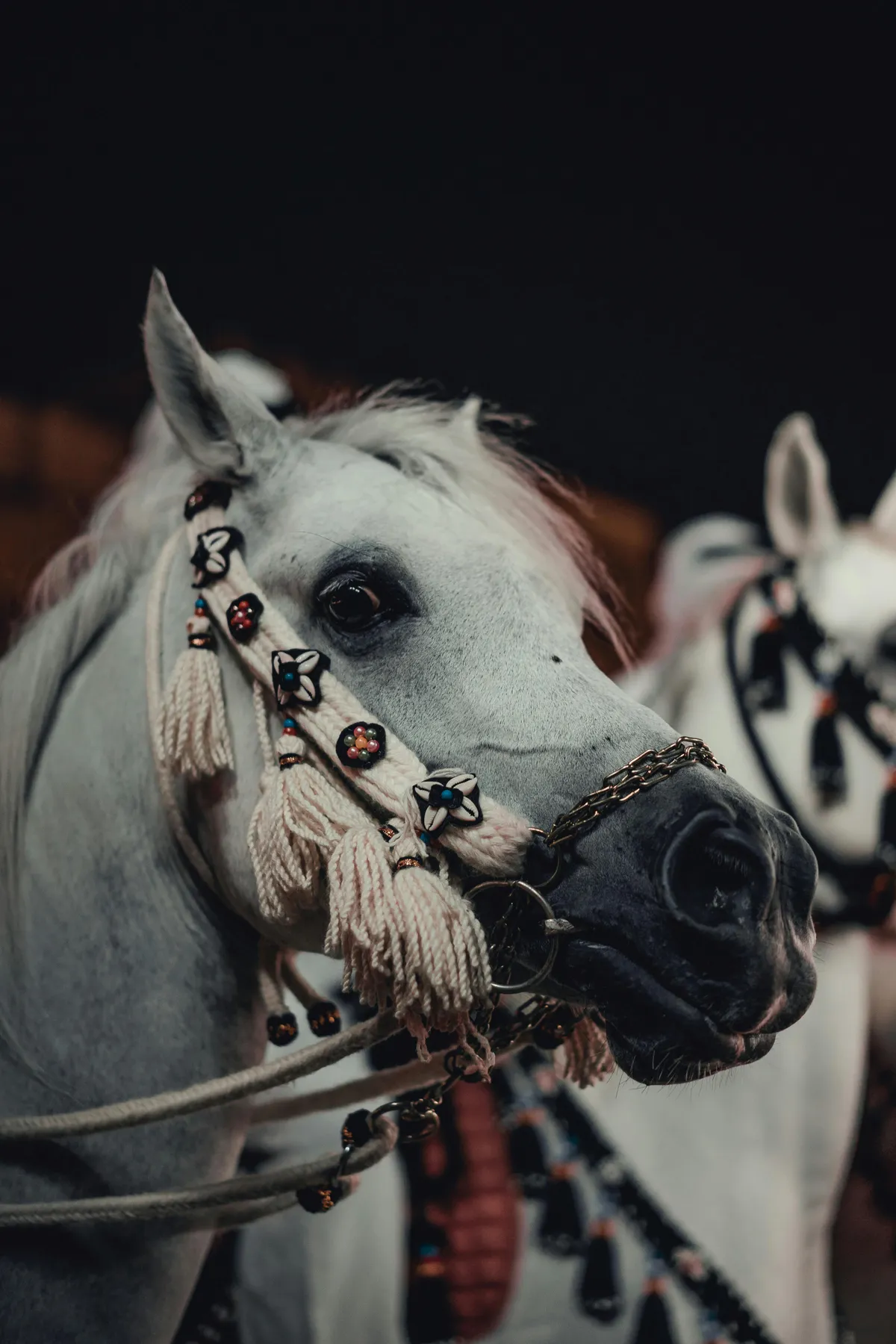
Bone density and stamina. Arabians have denser bone per square inch than most other breeds. Combined with a large lung capacity and efficient metabolism, this is a horse that was literally built for endurance. They carry more weight relative to their size than you'd expect, and they recover from hard work faster than most horses twice their size.
Intelligence — a double-edged sword. Arabians are smart. Really smart. That intelligence makes them quick learners and deeply responsive to their riders. It also means they get bored, they remember everything (good and bad), and they don't tolerate repetitive, heavy-handed training. An Arabian that's been handled well is a joy to ride. One that's been handled poorly can be a real challenge to retrain.
Temperament — the stereotype vs. reality. Arabians have a reputation for being hot and spooky. Some of that is earned — they are more reactive than your average quarter horse. But the reputation is overblown. A well-bred, well-trained Arabian is alert, not anxious. They bond deeply with their people and are often described as "people horses" who genuinely want to interact with you. The key is matching the individual horse's energy level to the rider's experience.
Size. Arabians typically stand between 14.1 and 15.2 hands and weigh 800 to 1,000 pounds. They're smaller than many breeds, but don't let that fool you. That dense bone means they're stronger than they look. A 14.3-hand Arabian can comfortably carry an adult rider on a 50-mile endurance ride — and finish looking fresher than horses four inches taller.
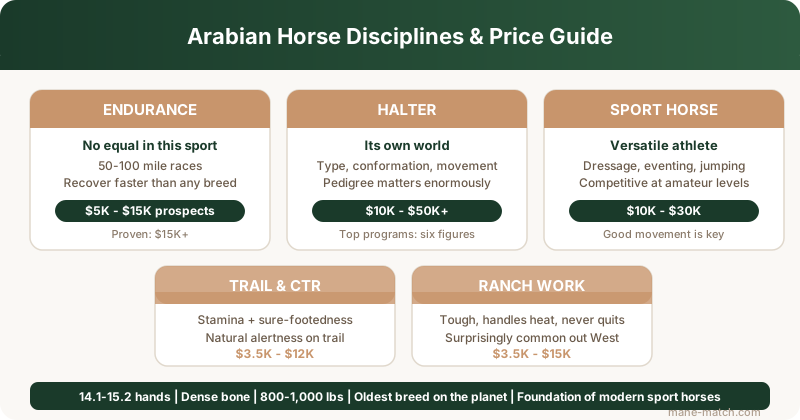
Endurance. This is the Arabian's signature discipline. They dominate endurance racing at every level — from 25-mile limited distance rides to 100-mile championship events. The Tevis Cup, the most prestigious endurance race in North America, has been won by Arabians more than any other breed. If endurance is your goal, an Arabian isn't just a good choice — it's the default.
Halter and breeding. The Arabian halter world is its own universe — breeding programs focused on type, conformation, and that unmistakable dish face and floating trot. Top halter Arabians command serious money, and the breeding side of the industry supports a global market. If you're interested in breeding or showing at halter, understanding bloodlines (Egyptian, Polish, Crabbet, Spanish) is essential.
Versatility and sport horse. Half-Arabians and Anglo-Arabians compete at the highest levels of dressage, eventing, and show jumping. Purebred Arabians compete successfully in sport horse in-hand classes and under saddle. The breed's natural collection, sensitivity to aids, and willingness to work make them serious contenders in the sport horse world.
Trail and competitive trail riding (CTR). Arabians are natural trail horses. Their stamina, surefootedness, and alertness on the trail make them ideal for long rides in varied terrain. Competitive trail riding — where horses are judged on condition, soundness, and trail manners — plays directly to the Arabian's strengths.
Ranch and all-around. This might surprise people, but Arabians can absolutely do ranch work. They're quick, athletic, and smart enough to work cattle. AHA offers ranch riding and ranch trail classes. An Arabian won't replace a cutting horse, but for general ranch versatility, they hold their own.
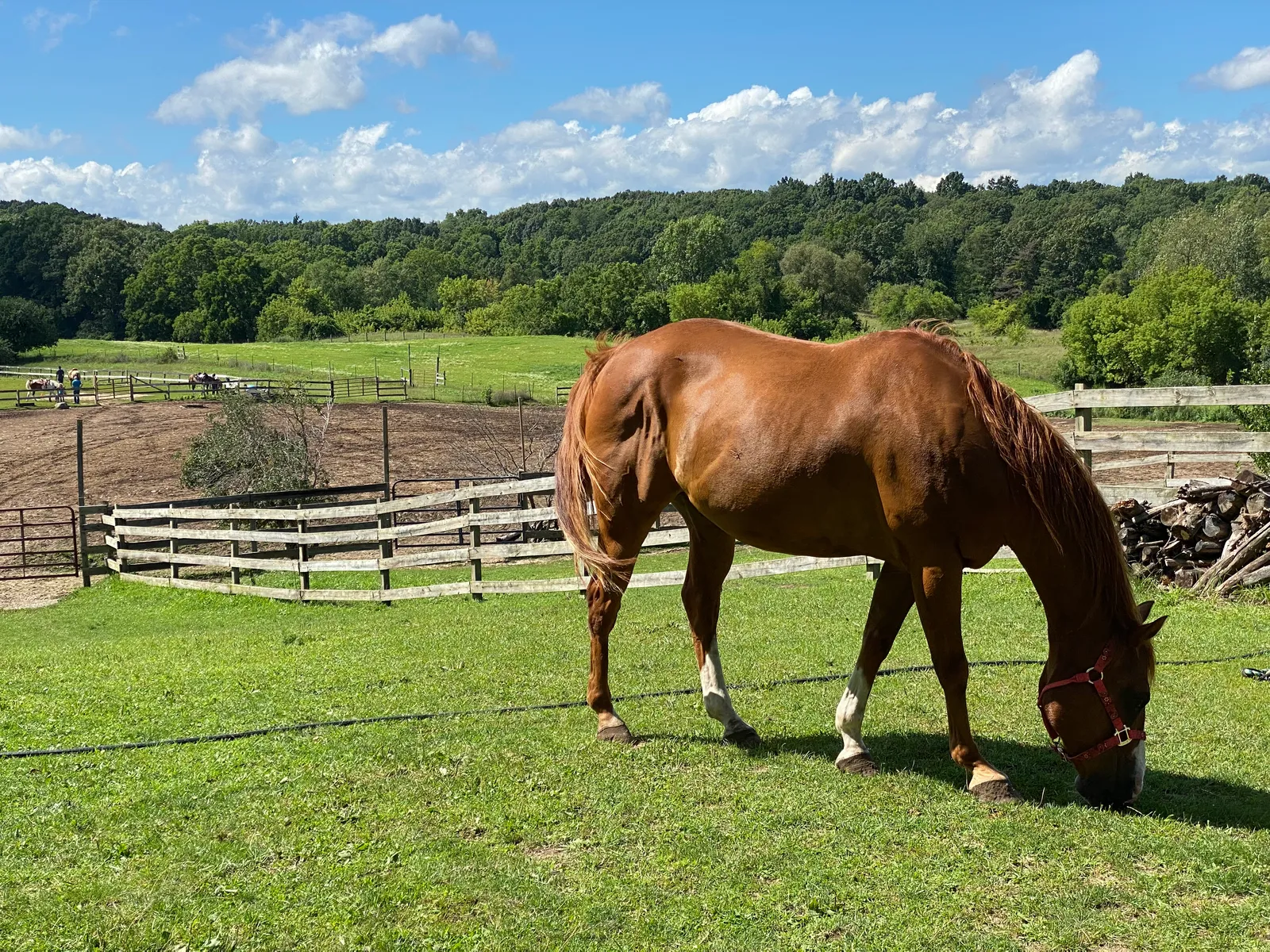 Arabians thrive on pasture, trail, and ranch alike.
Know your discipline. An endurance-bred Arabian and a halter-bred Arabian are almost different animals. Before you start shopping, be clear about what you want to do. Endurance buyers should look for leggy, athletic builds with proven bloodlines. Halter buyers focus on type and conformation. Trail riders want a calm, steady temperament above all else. The discipline drives everything.
Evaluate temperament honestly. Arabians range from dead-quiet trail horses to high-energy athletes that need daily work. Be honest about your experience level and what you can handle. A hot Arabian in the wrong hands is miserable for both horse and rider. Ask to see the horse in different situations — not just under saddle in an arena. How does it act on the cross-ties? In the field? When something unexpected happens?
Check the pedigree. With Arabians, bloodlines matter more than in most breeds. The four main strains — Crabbet, Polish, Egyptian, and Spanish — each produce different types. Crabbet lines tend toward substance and versatility. Polish lines are known for athleticism and endurance. Egyptian lines produce the most refined, typey horses. Spanish lines offer a mix of type and performance. Knowing what you're looking at helps you evaluate whether a horse fits your goals.
Legs and feet. Arabians generally have excellent feet and legs — it's one of the breed's strengths. But no horse is immune to soundness issues. Look for clean legs, good hoof quality, and correct angles. If the horse has been in endurance, ask about its competition record and any metabolic pulls. For halter horses, ask about any history of lavender foal syndrome or cerebellar abiotrophy testing in the bloodline.
AHA registration. If you're buying a purebred Arabian, make sure the horse is registered with the Arabian Horse Association (AHA). Registration confirms the horse's pedigree, opens the door to AHA-sanctioned shows and events, and protects the horse's value at resale. Half-Arabians can also be registered with AHA.
Arabian prices vary widely depending on breeding, training, age, and discipline:
Trail and pleasure Arabians: $3,500 to $12,000. Well-broke, mature trail horses with good temperaments are the most accessible entry point into the breed. Older horses with solid training are often at the lower end of this range and can be outstanding for the money.
Endurance prospects: $5,000 to $15,000. Horses with proven endurance bloodlines and some competition experience command more. Finished endurance horses with a strong competition record can go higher.
Sport horse prospects: $10,000 to $30,000. Half-Arabians and Anglo-Arabians with sport horse potential, particularly those with dressage or eventing training, sit in this range. Horses with show records push toward the top.
Halter and breeding stock: Six figures are possible for top halter horses and proven broodmares from elite breeding programs. The halter world operates on different economics than the performance world — a national champion or its offspring can command prices that dwarf anything in the performance market.
As with any breed, the purchase price is just the start. Budget for monthly board, farrier, vet care, and training. Arabians are generally easy keepers compared to many breeds — they tend to thrive on less feed — but the ongoing costs of horse ownership still apply.
The Arabian community is tight-knit, and finding the right horse often means sifting through breeder websites, Facebook groups, and classified ads that haven't been updated in months. Mane Match brings Arabian listings into one place with real photos, videos, pedigree information, and direct messaging to verified sellers.
Our swipe interface makes browsing fast — you can evaluate dozens of horses in minutes and save the ones worth a closer look. Filter by discipline, price range, age, and location to narrow your search. When you find a horse you like, message the seller directly through the platform. No phone tag, no middlemen.
For Arabian sellers, Mane Match puts your listing in front of serious buyers who are actively searching — not casual scrollers. Verified seller badges, listing boosts, and homepage spotlight options help your horse stand out in a crowded market.
 The bond between an Arabian and its rider runs deep.
Trail and pleasure Arabians typically cost $3,500 to $12,000. Endurance prospects run $5,000 to $15,000. Sport horses range from $10,000 to $30,000. Top halter horses can reach $50,000 and above. Price depends on breeding, training level, and discipline.
Some Arabians are excellent for beginners — well-trained, mature horses with calm temperaments can be wonderful first horses. However, avoid young, unhandled, or high-energy Arabians as a first horse. The key is the individual horse's training and disposition, not the breed alone.
Arabians dominate endurance racing worldwide. They are also competitive in halter, trail, dressage, eventing, competitive trail riding (CTR), and western disciplines. AHA shows offer classes in nearly every discipline.
Arabians typically stand 14.1 to 15.2 hands and weigh 800 to 1,000 pounds. Their dense bone structure means they can carry more weight relative to their size than many larger breeds.
These are bloodline strains within the Arabian breed. Egyptian Arabians tend to be more refined and are prized in halter. Polish Arabians are known for athleticism and excel in endurance. Crabbet Arabians carry more substance and are valued for versatility. The distinction matters most for breeding and showing programs.
Yes — Arabians compete at every level of dressage including FEI. They have natural collection ability and are highly sensitive to aids, which can be an advantage in the dressage ring. AHA also offers specific dressage classes for Arabians.
No active listings right now. Check back soon.
List it free and reach serious buyers who are actively searching for their next Arabian.
Selling an Arabian? List It Free and Reach Serious Buyers →