Barrel racing is a 15-second sport decided by hundredths of a second. The margin between first and fifth is almost nothing — and the horse is the biggest variable. You can be the best rider in the pen, but if your horse doesn't have the rate, the turn, and the drive, you're not winning.
Finding the right barrel horse is one of the hardest things in the sport. It's not just about speed. It's about a horse that can run hard, shut down into a turn, fire out the other side, and do it three times in a row without losing its mind. That combination is rare, and when you find it, you know.
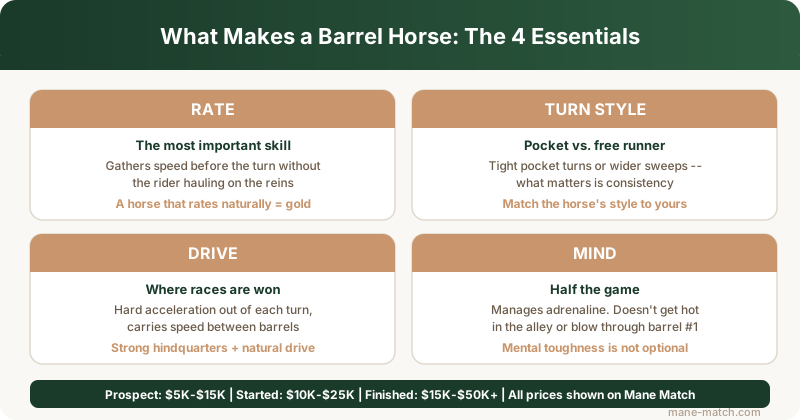
Plenty of horses can run. Not many can barrel race. Here are the four things that separate a barrel horse from a horse that's just fast:
Rate. This is the ability to collect and shut down before the turn. A horse that blows past the barrel because it can't rate is a horse that's knocking barrels and adding seconds. Rate is trainable to a point, but the best barrel horses have a natural ability to read the barrel and prepare for the turn without being hauled on.
Turn style. Every barrel horse turns differently. Some turn tight and flat. Some turn with a bigger pocket. What matters is that the horse turns with balance, stays on its feet, doesn't drop a shoulder, and doesn't lose momentum coming out. Watch a horse's turns more than its straightaways — that's where runs are won and lost.
Drive. The explosion out of the turn and down the alley is where the clock separates. A barrel horse needs natural drive — the desire to run hard out of every turn without being pushed. You want a horse that accelerates out of the pocket on its own.
Mind. This might be the most important one. Barrel racing is intense. The crowd, the alley, the adrenaline — a horse that can't handle pressure mentally will never be consistent. You need a horse that stays focused under pressure, doesn't get hot in the alley, and runs the same pattern whether it's a jackpot or a rodeo finals.
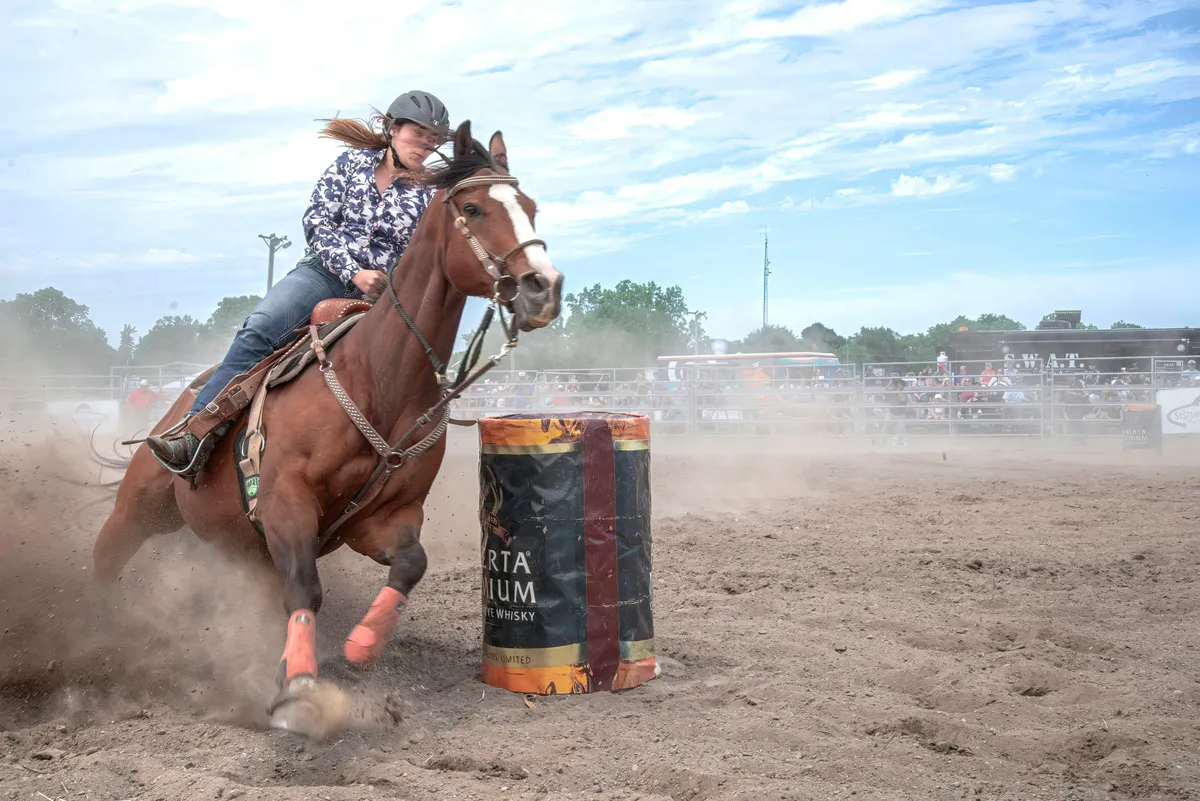
Quarter horses own barrel racing. The breed's combination of speed, agility, and cow-sense translates perfectly to the pattern. Bloodlines matter in barrel racing more than almost any other discipline. Names like Frenchmans Guy, Dash Ta Fame, Firewater Flit, Famous Bugs, and Corona Cartel show up on the pedigrees of winners year after year. If you're shopping for a barrel prospect, the sire and dam lines are worth studying.
Paint horses with quarter horse breeding are competitive at every level. Many top paints carry the same barrel racing bloodlines as their solid-colored counterparts. Don't overlook a horse because of its registration papers — look at what's behind them.
Appendix quarter horses — the cross between a registered quarter horse and a thoroughbred — bring extra leg and stride length. Some of the fastest horses in the pen are appendix-bred, especially on larger patterns where the straightaways are longer.
Thoroughbred crosses can be competitive, particularly when crossed with proven barrel horse bloodlines. The thoroughbred adds stamina and stride; the quarter horse side brings the rate and turn. It's a combination that works when the cross is right.
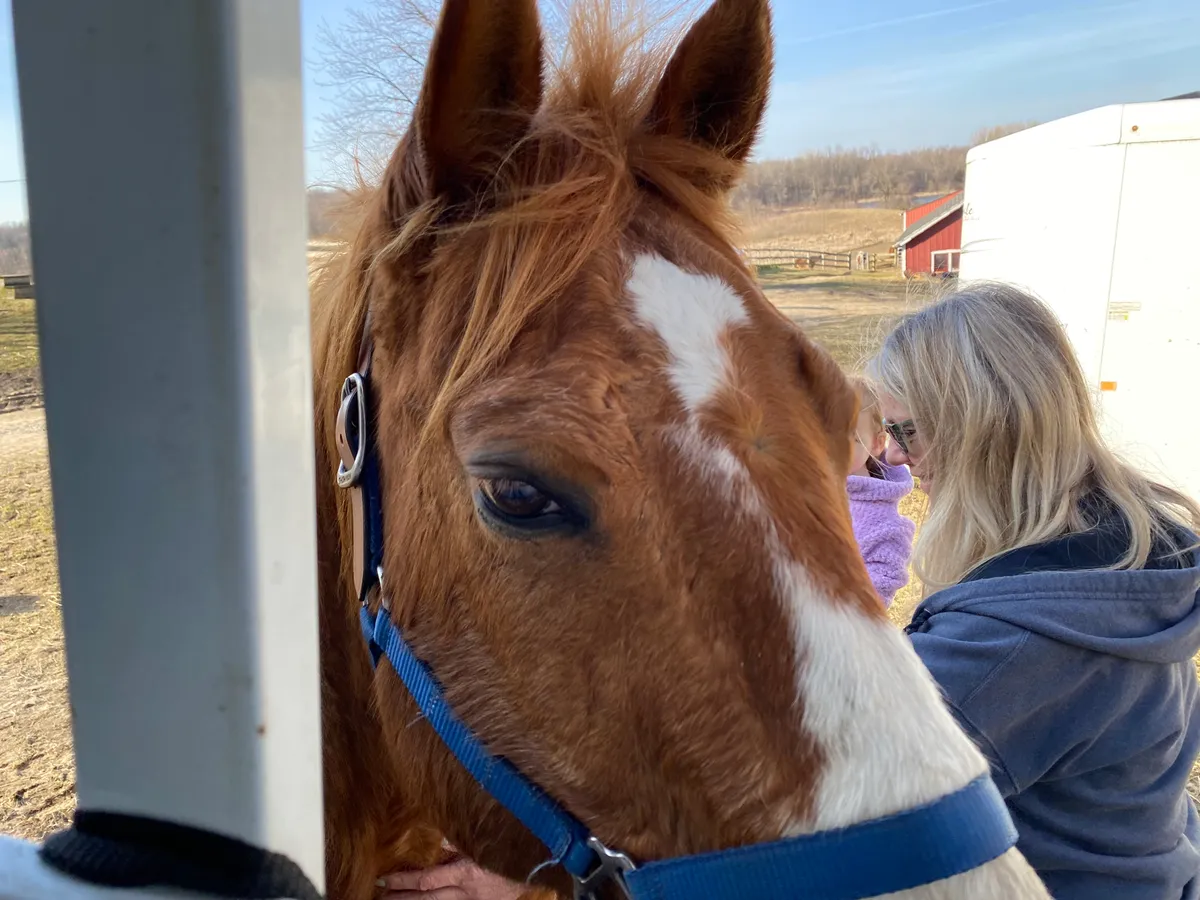 The look of an athlete — alert, focused, ready.
Browse barrel racing horses from real sellers with videos, pedigrees, and honest descriptions.
Find Your Next Barrel Horse — Start Swiping →This is one of the biggest decisions you'll make as a barrel racer, and it depends on your goals, your timeline, and your budget.
Finished horses ($15,000 to $50,000+) know the pattern, have competition records, and are ready to haul. You can enter this weekend. The upside is immediate — no training timeline, no guessing, no wondering if the horse will ever "get it." The downside is cost. A proven horse with earnings commands a premium, and it should. You're paying for years of someone else's time, money, and expertise.
Prospects ($5,000 to $15,000) are young or green horses with the breeding, build, and raw talent to become barrel horses. They need a trainer — and that's an additional $800 to $1,500 per month for 6 to 18 months. The total investment can approach what a finished horse costs, and there's no guarantee the prospect will make it. But if it does, you've got a horse built to your program from the ground up.
Started horses fall in the middle. These are horses that have been introduced to the pattern, maybe hauled to a few jackpots, but aren't yet finished. They cost less than a proven horse and come with less risk than a raw prospect. If you're an experienced rider who can finish a horse yourself, this can be the best value in the market.
Competition video is non-negotiable. If a seller says a horse is a barrel horse but can't show you video of it running the pattern, walk away. You need to see the horse's rate, turns, and drive at speed — not in slow work, not in a round pen. At a competition. On the clock. Multiple runs if possible.
Soundness. Barrel racing is hard on horses. The torque on hocks, stifles, and suspensory ligaments during turns is enormous. Have a vet do a thorough pre-purchase exam with flexion tests. Ask about maintenance — many competitive barrel horses are on a joint injection schedule, and that's not necessarily a dealbreaker, but you need to know what you're getting into.
Competition record. Ask for specifics. What events has this horse been to? What were the times? How did it place? A horse that consistently runs 1D or 2D times at regional rodeos is a very different purchase than a horse that "ran barrels a few times."
Temperament in the alley. This is where barrel horses show you who they really are. Some horses get hot, charge the alley, rear, or refuse to stand. Others walk in calm and explode when it's time. Go watch the horse at a competition if you can — or at minimum, ask the seller to be honest about how the horse behaves before a run.
Try the horse at speed. Don't just lope the pattern. If you're buying a barrel horse, you need to run it. A horse that lopes the pattern beautifully might fall apart at speed. You won't know until you ask for the gas.
The barrel racing horse market has always relied on word of mouth, Facebook groups, and hoping you see the right post at the right time. Mane Match changes that.
Every listing on Mane Match includes photos, videos, pedigree information, competition history, and an honest description from the seller. You can filter by breed, age, price, training level, and discipline to find barrel horses that match what you're looking for — without scrolling through hundreds of irrelevant listings.
When you find a horse that interests you, message the seller directly through the platform. No phone tag, no lost DMs, no wondering if your comment got buried in a Facebook thread. Real conversations between real buyers and sellers.
Whether you're looking for a finished horse ready to haul this weekend or a well-bred prospect to develop, Mane Match puts the horses in front of you and gets out of the way.
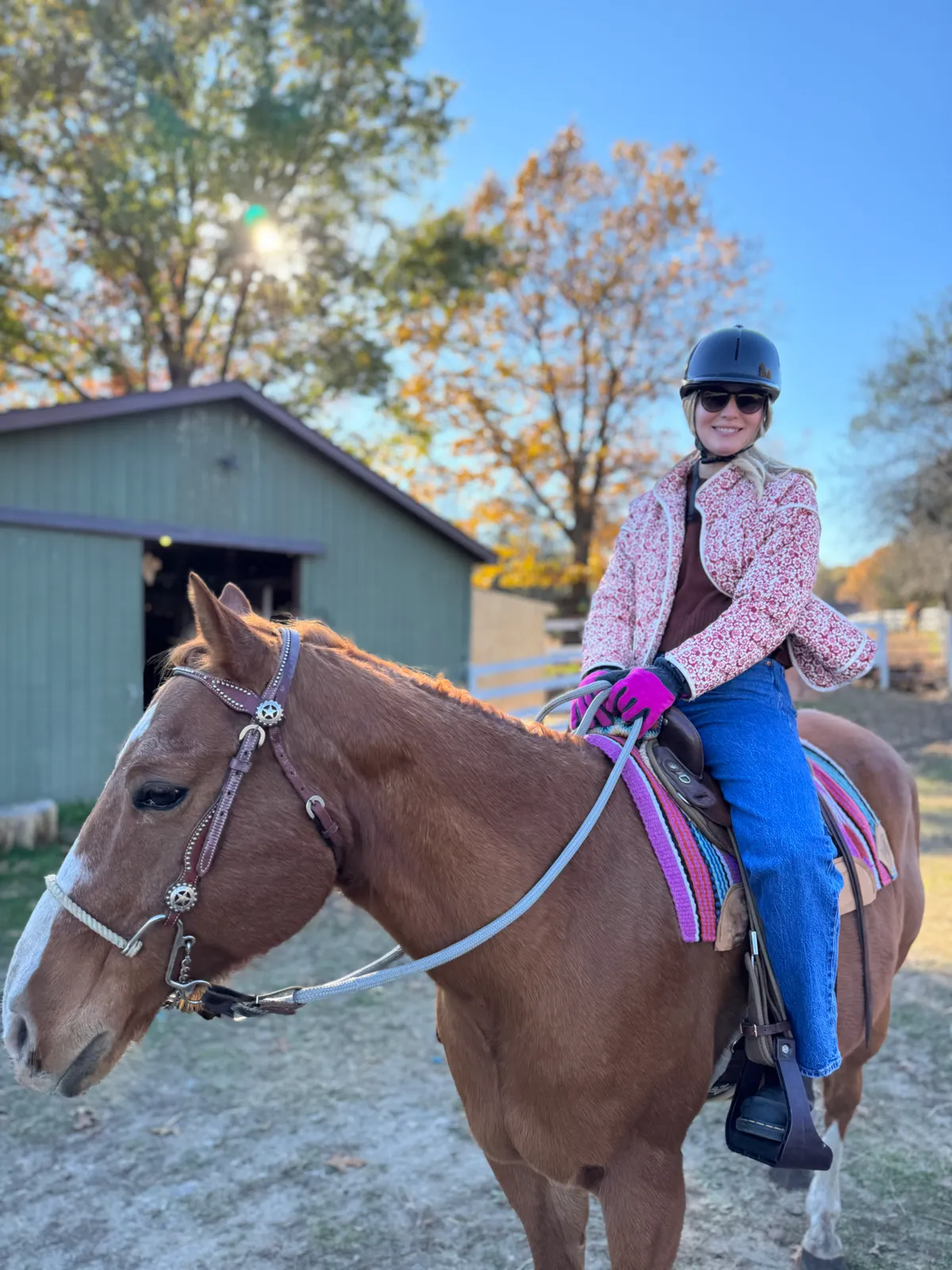
A prospect typically costs $5,000 to $15,000, while a finished barrel horse runs $15,000 to $50,000. Horses with major futurity or rodeo earnings can cost significantly more.
Quarter horses dominate barrel racing. Paints and appendix quarter horses are also competitive. Look for bloodlines like Frenchmans Guy and Dash Ta Fame.
A finished barrel horse knows the pattern, has competed, and is ready to haul. A prospect has potential but needs training. Finished horses cost more but carry lower risk.
Rate, turn style, drive, and mental toughness. Always ask for competition video. Check soundness — especially hocks, stifles, and suspensory ligaments.
Horses typically start competing around age 5 to 6. Prime barrel racing years are 7 to 14. Many horses can compete well into their late teens.
Yes — paints, appendix quarter horses, and thoroughbred crosses all compete successfully in barrel racing. Breed matters less than individual athleticism, rate, and willingness to turn.
No active listings right now. Check back soon.
List it free and reach competitive riders who are actively looking for their next run.
Selling a Barrel Horse? List It Free and Reach Competitive Riders →